
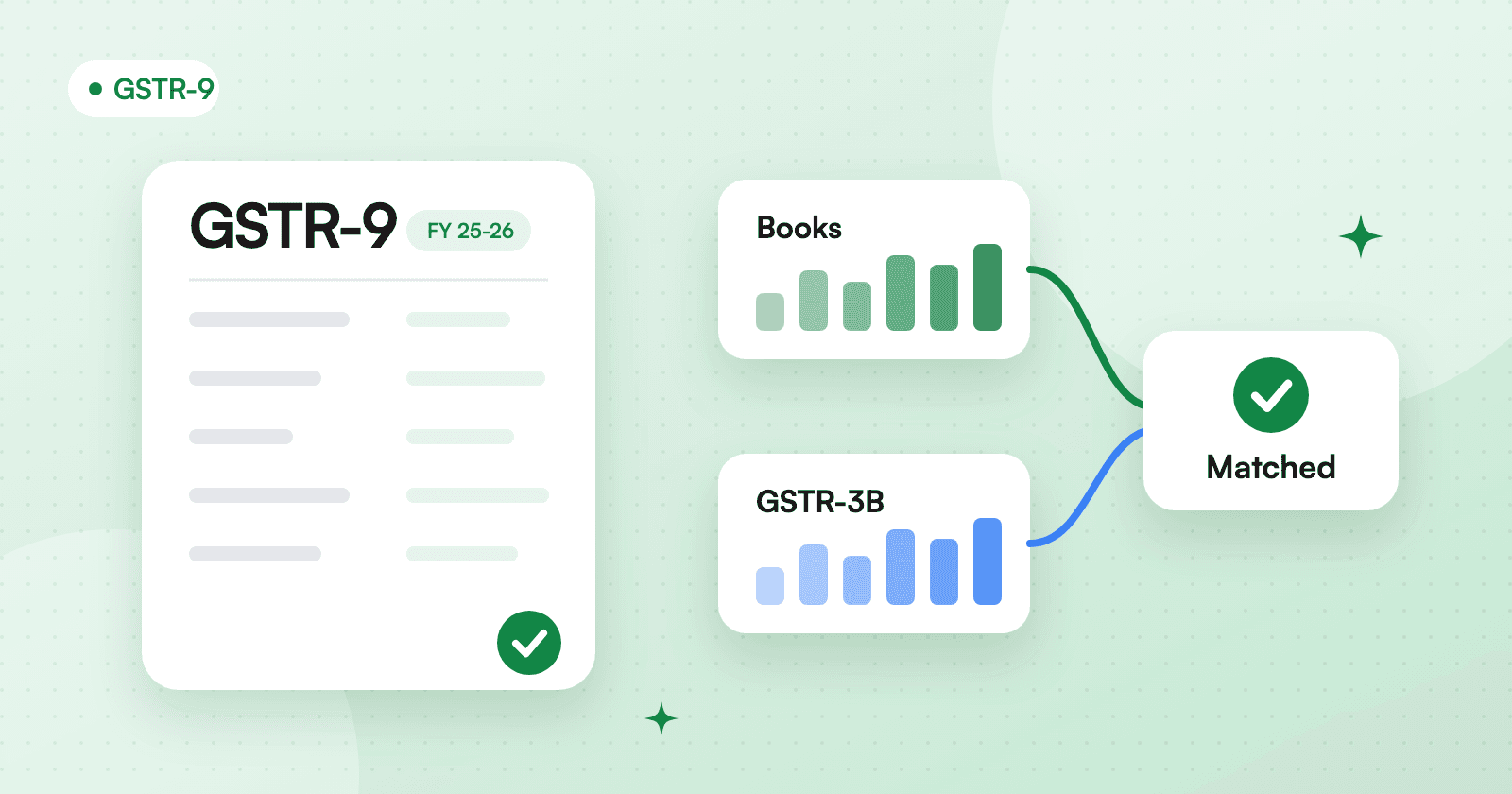
GSTR-9 due date for FY 2025-26
The annual return for the financial year April 2025 to March 2026 is due on 31 December 2026. It is filed separately for each GSTIN, so a business registered only in Rajasthan files one return; a business with GSTINs in several states files one per state.
Who must file GSTR-9
- Mandatory: regular taxpayers with aggregate turnover above ₹2 crore in FY 2025-26.
- Optional: regular taxpayers with aggregate turnover up to ₹2 crore.
- Not required: composition taxpayers (they file GSTR-4), casual taxable persons, non-resident taxable persons, input service distributors, and TDS/TCS deductors under GST.
Aggregate turnover is counted on your PAN across all GSTINs in India, including exempt and export supplies.
When GSTR-9C applies
If your aggregate turnover is above ₹5 crore, you also file GSTR-9C, a reconciliation statement between your audited financial statements and GSTR-9. It is self-certified by the taxpayer. The difference between turnover, tax and input tax credit in your books and in your returns has to be explained line by line.
Late fees
| Aggregate turnover | Late fee (CGST + SGST) | Maximum |
|---|---|---|
| Up to ₹5 crore | ₹50 a day | 0.04% of turnover |
| ₹5 crore to ₹20 crore | ₹100 a day | 0.04% of turnover |
| Above ₹20 crore | ₹200 a day | 0.5% of turnover |
The fee keeps running until the complete annual return is filed, which includes GSTR-9C where it applies.
Reconciliation checklist before you file
- Sales: match turnover in your books with GSTR-1 and GSTR-3B, month by month.
- Input tax credit: match ITC in your books with GSTR-2B and GSTR-3B. Credit not in GSTR-2B is the most common problem.
- Credit and debit notes: check they are reported in the right period.
- Reverse charge: confirm tax paid on RCM purchases (rent from unregistered persons, legal fees, freight).
- Amendments: FY 2025-26 corrections made in returns up to the cut-off date go in the amendment tables.
- HSN summary: outward and inward supplies by HSN code, as required for your turnover.
- Extra tax: pay any shortfall through DRC-03 with interest before filing.
Common mistakes we fix
- Claiming ITC in the annual return that never appeared in GSTR-2B.
- Reporting the same invoice twice: once in the year and again as an amendment.
- Leaving exempt and nil-rated sales out of turnover.
- Filing GSTR-9 but forgetting GSTR-9C, so the late fee keeps running.
Getting your monthly returns right is what makes GSTR-9 easy. Our GST return filing plans reconcile with GSTR-2B every month, and exporters with unused credit can claim it back through GST refunds.